


How much should you budget for luxury travel in Europe in 2026? There is no reliable single figure for the whole continent: official averages combine ordinary holidays and business trips, while luxury research often measures only certain destinations or card payments. The clearest answer is a range of benchmarks, not a made-up “average luxury trip.”
Start with the ordinary-trip baseline

The latest detailed Eurostat tourism expenditure figures report that EU residents spent an average of €1,053 per person on a foreign trip in 2024, or €135 per night. Across domestic and foreign trips, accommodation accounted for 35% of the tourism budget; transport made up 27%.
These are useful reference points, not luxury price quotes. The figures cover EU residents aged 15 and over, include different kinds of trips, and count the person’s full trip expenditure. They do not tell you the nightly rate for a five-star hotel or what an affluent visitor from outside Europe will spend.
What counts as luxury spending in 2026?
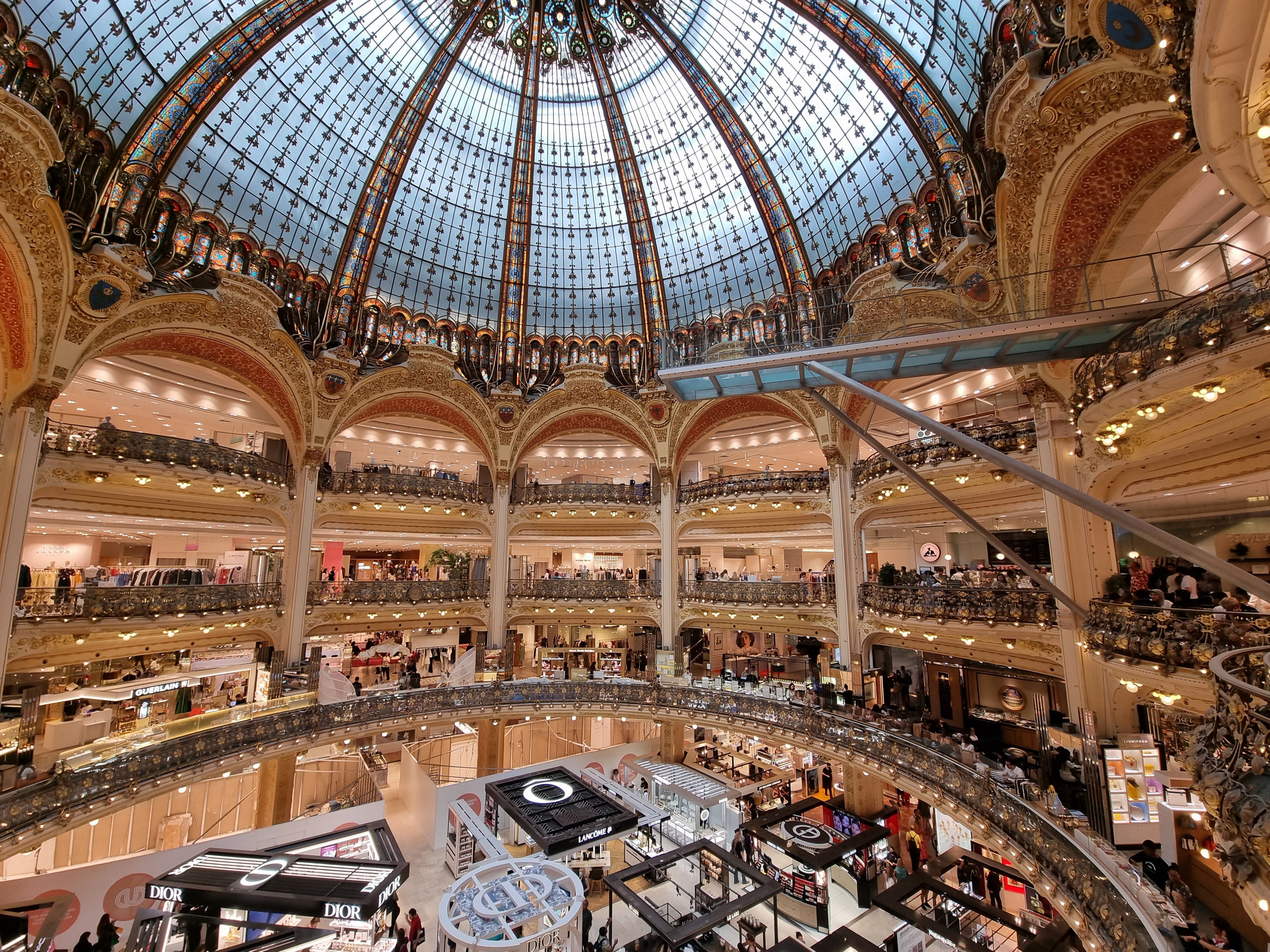
A focused 2026 study gives a more vivid, if narrower, picture. CaixaBank Research used international payment-card data in Spain and classified luxury cards by a high daily-spending threshold. For 2025, it estimated an average of €731 a day for this segment, compared with €46.60 across all foreign cards. The luxury group was only about 3% of cards but accounted for roughly 20% of foreign visitors’ in-person spending.
That €731 is not a recommended daily allowance for every luxury traveler in Europe. It reflects Spanish card-terminal transactions, not every cash payment or spending made before arrival, and the classification is specific to the study. Still, it shows how spending concentrates: hotels represented 38.6% of tracked luxury visitors’ in-person spend, with restaurants, fashion and jewellery also prominent. I would use it as evidence of the segment’s scale, not as a personal itinerary calculator.
City breaks, shopping and the “extras”
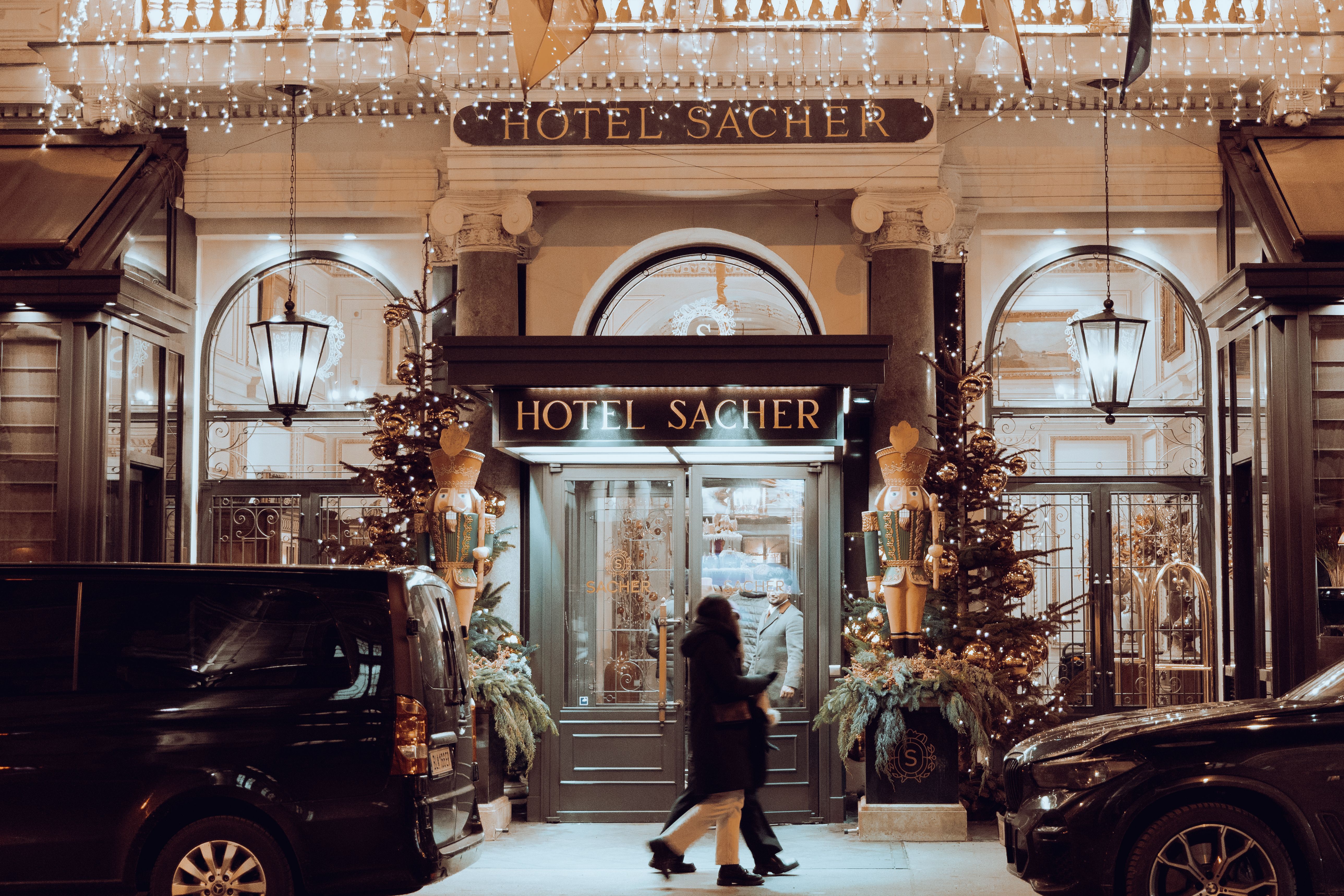
For a real budget, price the trip in layers: room and taxes, transport, meals, shopping, then activities. Destination and season can move the totals more than the label “luxury” does. A suite-heavy stay on Mykonos, a shopping weekend in Paris and a cultural break in Vienna are three different spending patterns, even if all feel high-end.
Optional evenings also vary by traveler. In Munich, a visitor might set aside discretionary money for a concert, a private dining experience or a München escort booking; none belongs in a standard hotel or transport average. Keep such personal choices separate from the core trip budget.
The practical takeaway
Use €1,053 per foreign trip and €135 per night as broad 2024 EU-resident context, not a luxury target. For a sharper luxury signal, Spain’s 2025 card data suggests about €731 in daily in-person spending among its defined high-spend segment, but the figure is destination- and method-specific. CaixaBank’s 2026 analysis of luxury tourism in Spain is a helpful comparison, not a substitute for checking actual 2026 hotel and experience prices for your dates.
Method note: EU figures are Eurostat’s 2024 expenditure data, extracted in November 2025. The luxury benchmark comes from CaixaBank Research’s February 2026 analysis of 2025 in-person card payments in Spain. Their populations and methods differ, so the numbers should not be compared as like-for-like trip totals.