

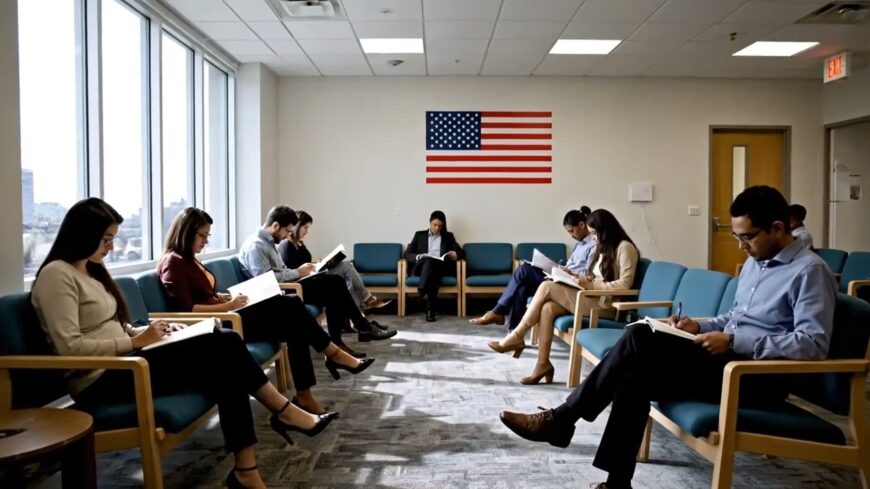
As of 2024, an estimated 304 million people worldwide live in a country other than their birthplace – nearly double the number from 1990. In 2025, migration remains a defining global trend: from skilled-worker programs and student visas to family reunification and humanitarian relocation, millions of individuals are preparing immigration submissions.
But behind every successful application lies a critical foundation: the right paperwork. Submitting incomplete, inaccurate, or poorly organized documentation remains one of the leading causes of delays and denials. That is why understanding exactly which materials are required, and how to compile them properly, matters now more than ever.
This article walks you through the essential “required materials for immigration” in 2025 – from universal documents and program-specific lists to certified translations, proof of funds, and final submission checklists. Use this as your step-by-step guide for a clean, complete, and compliant immigration file.
Understanding Your Immigration Pathway in 2025

Before collecting the required materials for immigration, applicants must identify the correct pathway they qualify for in 2025. Each category has its own documentation standards, eligibility criteria, and evidence requirements, and choosing the wrong stream leads to delays or refusals.
Countries continue to rely on multiple immigration routes. The most common options include skilled worker programs, student visas, family sponsorship, investor pathways, and humanitarian or refugee protection. Skilled worker programs typically assess age, education, work experience, and language scores. Student immigration requires proof of admission, academic readiness, and financial capacity.
Family sponsorship focuses on demonstrating genuine relationships, legal status of the sponsor, and the sponsor’s ability to support the applicant. Humanitarian and refugee programs rely heavily on identity verification and evidence of risk or displacement.
Applicants should review official government guidelines for their chosen destination or speak with a regulated immigration professional to confirm the pathway that aligns with their goals. Identifying the correct stream early helps determine which records to gather and prevents unnecessary or incorrect paperwork during the preparation stage.
Core Documents Required for Most Immigration Submissions
Most immigration programs in 2025 require a consistent set of foundational documents. These records verify identity, background, financial stability, and eligibility. Preparing them early reduces delays and prevents gaps in your submission.
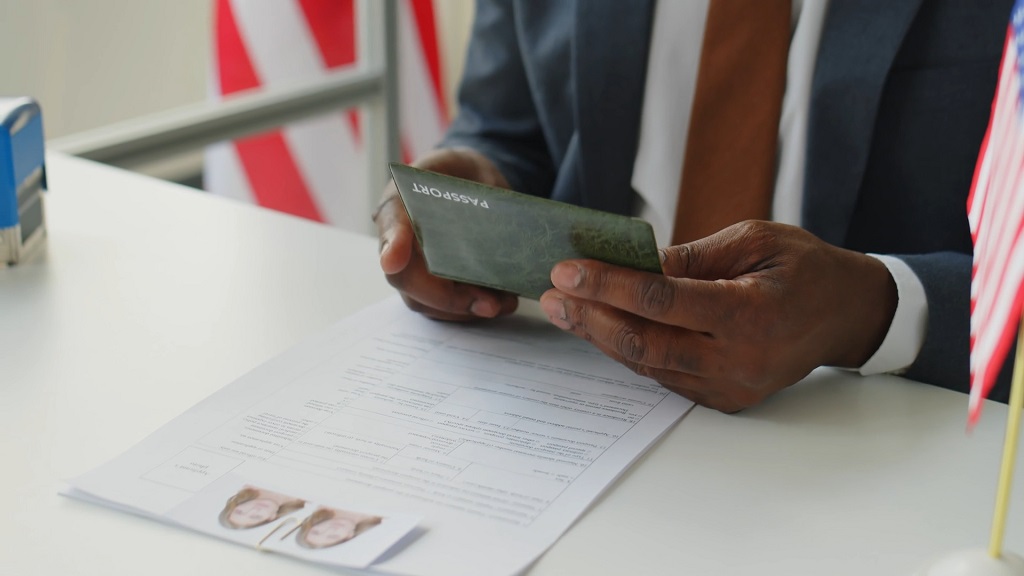
Standard Required Documents
| Document Type | Purpose | Notes |
| Valid passport | Confirms identity and nationality | Must meet the destination country’s minimum validity period, often six months or more |
| Birth certificate | Verifies personal details | Must match all other identity records and be readable and complete |
| Marriage or relationship documents | Confirms marital or partnership status | Required for family sponsorship and applications involving dependents |
| Educational records | Supports skilled worker and student eligibility | Includes transcripts, diplomas, certificates, and credential assessments where required |
| Employment records | Verifies work history | Includes employment letters, pay records, contracts, and role descriptions |
| Proof of funds | Confirms financial capacity | Bank statements, savings records, or sponsor financial documents |
| Police clearance certificates | Confirms background and admissibility | Must meet country-specific police clearance certificate requirements |
| Medical examination results | Demonstrates health admissibility | Must be completed by an approved panel physician |
| Passport-style photos | Used for applications and visas | Must follow updated 2025 photo requirements |
| Application forms and confirmations | Shows accurate application data | Must be complete, current, and consistent with all supporting documents |
These core materials form the base of nearly every immigration file. Collecting them early supports smoother organization during the next stages of immigration document preparation.
Program-Specific Documentation in 2025
Beyond core records, each immigration category requires additional evidence tailored to that program’s criteria. Preparing the correct materials ensures your file aligns with eligibility rules.
Skilled Worker Immigration Documents
Skilled worker pathways require proof of qualifications and work readiness. Common documents include:
- Educational credential assessments when required
- Detailed job descriptions matching national occupation classifications
- Language test results such as IELTS, CELPIP, TEF, or TCF
- Proof of recent and relevant work experience
- Licensing or certification documents for regulated professions
Student Visa Document Requirements
Student immigration programs focus on academic intent and financial stability. Typical requirements include:
- Official letter of acceptance from a recognized institution
- Proof of tuition payment or financial capability
- Academic transcripts and diplomas
- Study plan that outlines education goals
- Accommodation arrangements if required
Family Sponsorship Documents
Sponsorship programs require evidence that the relationship is genuine and legally recognized. Common documents include:
- Marriage certificates or proof of common-law partnership
- Photos, communication records, and cohabitation evidence
- Sponsor status documents such as permanent residency or citizenship records
- Proof of income or financial ability to support dependents
- Birth certificates for sponsored children
Accurately matching documents to the correct immigration stream helps prevent refusals due to missing category-specific evidence.
How to Gather, Update, and Verify Your Documents
Document preparation requires confirming that every record is current, accurate, and consistent across your entire application. Immigration officers compare details closely, so mismatches or outdated records can cause delays or refusals.
Begin by collecting identity documents, civil status records, education credentials, and employment history. Verify that names, dates, and personal information match across all materials. If any document contains errors or uses older formatting, request updated copies from official issuing authorities.
Check expiration dates for passports, police clearance certificates, and medical exams. Many immigration programs require that these documents remain valid throughout processing. If any record is near expiry, renew it before submission.
When requesting official records, use government offices, recognized institutions, and approved background check services. Keep digital copies stored securely and label each file clearly. Verified, current, and well-organized materials prevent complications during immigration review.
Certified Translations and Document Authentication Requirements
Any document not issued in the destination country’s official language must be translated by a qualified professional. Immigration authorities require certified translations to confirm that all personal information, dates, and legal details are accurately represented. Using reliable document translation services ensures that translations meet official standards and include the required certification statement.

Applicants should review whether their destination country requires notarization, apostille stamps, or embassy authentication. Documents such as birth certificates, marriage records, academic transcripts, and police clearances often fall under these rules. Authentication procedures vary by issuing country, so applicants should confirm guidelines before submitting requests.
Keep original documents, certified translations, and authentication records together. Immigration officers must be able to match each translated document to its original version without confusion. Proper translation and authentication prevent delays caused by incomplete or noncompliant supporting materials.
Financial Proofs: How to Show Funds and Stability in 2025
Financial documentation demonstrates that applicants can support themselves without relying on public assistance. Immigration authorities require clear evidence of stability, consistent income, and lawful access to funds. The exact amount varies by country and program, but the required format remains predictable.
Common Forms of Financial Proof
- Recent bank statements covering three to six months
- Savings account summaries and fixed deposits
- Pay stubs and employment income records
- Tax returns or tax assessment notices
- Scholarship letters for student applicants
- Sponsor financial documents when applicable
- Loan approval letters for tuition or settlement funds, if permitted
Financial Proof Table
| Type of Financial Evidence | Used For | Key Requirements |
| Bank statements | Most programs | Must show consistent balances and identifiable account ownership |
| Employment income | Skilled worker and sponsorship | Requires employer-issued records with dates and salary details |
| Savings and assets | Skilled worker and student | Must be liquid and accessible, not locked or unverifiable |
| Sponsorship financials | Family sponsorship and student visas | Requires proof of sponsor income and relationship to applicant |
| Scholarships or grants | Student visas | Official letters stating amounts and duration |
| Tax documents | Skilled worker and sponsorship | Must match income claimed in employment records |
Proof of Funds Immigration Standards

Applicants must ensure that financial documents:
- Match all identity information exactly
- Are issued by recognized financial institutions
- Show lawful accumulation of funds
- Reflect stable balances, not sudden unexplained deposits
- Provide enough detail for immigration officers to verify authenticity
Preparing accurate financial evidence strengthens the overall submission and supports eligibility for skilled worker, student, and family sponsorship applications.
Digital and Physical Files: What Immigration Officers Expect in 2025

Immigration systems in 2025 rely on both digital uploads and physical documents, depending on the program and country. Applicants must prepare materials in formats that meet official submission standards.
Digital submissions typically require scanned copies saved as PDF files with clear resolution. File names should follow a simple structure that identifies the document type, issuing authority, and date. Many immigration portals limit file size, so documents must be compressed without losing readability. Applicants should verify whether color scans are required, since some authorities reject grayscale copies of identity documents.
Physical documents remain necessary for biometrics appointments, visa interviews, and certain permanent residency applications. Originals must be organized in a simple sequence that follows the application checklist. Use clear folders and keep certified translations paired with their original documents. Officers review files quickly, so materials must be easy to locate and verify.
Maintaining both digital and physical versions of every record ensures that the application remains complete during every stage of the immigration process.
How to Organize Your Full Submission Package
A clear and logical structure helps immigration officers review your materials without confusion. Every document should be easy to identify, properly labeled, and placed in the correct order.
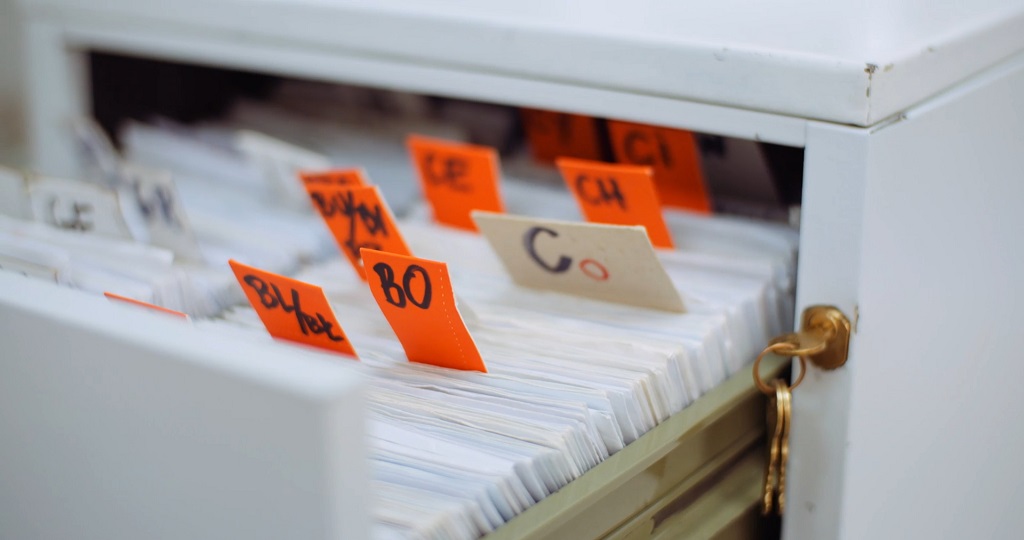
Recommended Organization Structure
- Cover page with applicant name, application number, and document list
- Identity documents section
- Civil status records
- Educational records
- Employment history and qualifications
- Financial proofs
- Police clearance certificates
- Medical examination results
- Translations and authentication records
- Program-specific documents
- Additional supporting evidence
- Application forms and confirmations
File Naming Template for Digital Uploads
Use short, consistent file names:
- Passport_LastName_FirstName_2024
- BirthCertificate_LastName_FirstName
- EmploymentLetter_CompanyName_2023
- ProofOfFunds_BankName_JanToJun2024
- PoliceClearance_Country_2024
Physical Folder Arrangement Tips
- Place documents in the same order as the checklist
- Use labeled dividers to separate sections
- Keep originals and copies together but clearly marked
- Store translations directly behind the corresponding original document
Pro Tips
- Ensure consistency across names, dates, and personal details
- Keep a master checklist to track completed and missing documents
- Save all digital files in both cloud storage and a local backup
- Review every document for legibility and completeness before submission
A well-organized package supports faster review and reduces the chance of requests for additional information.
Avoiding Common Documentation Mistakes That Cause Delays or Denials
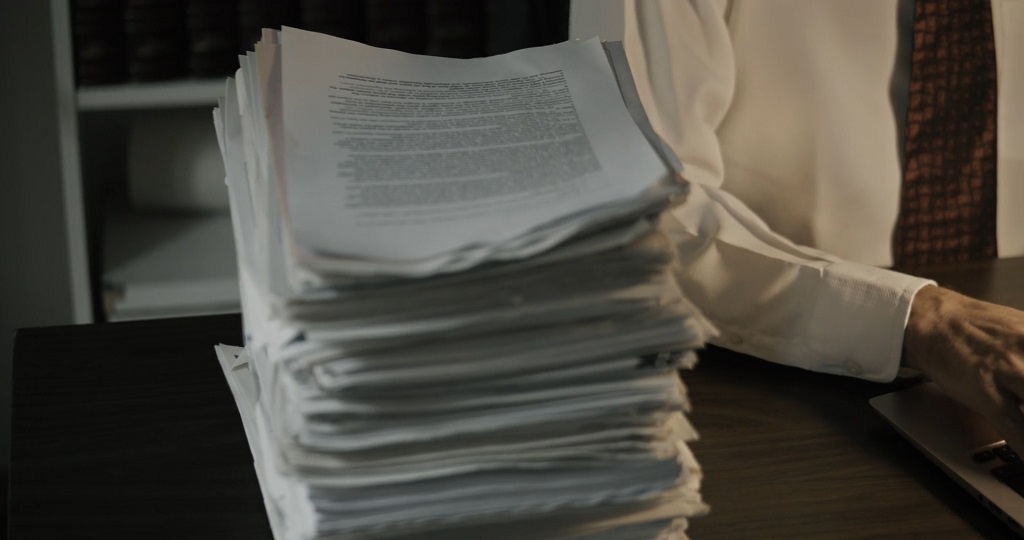
Incorrect or incomplete records remain a leading reason for immigration refusals. Reviewing common errors helps applicants prevent avoidable setbacks.
Frequent Mistakes
- Submitting expired passports or outdated identity documents
- Missing signatures or incomplete sections on application forms
- Uploading unclear scans or low-resolution images
- Providing inconsistent information across documents
- Submitting police clearances that fall outside validity periods
- Using unofficial translations instead of certified services
- Including financial records with unexplained large deposits
- Forgetting to provide program-specific documents for skilled workers, students, or sponsored family members
How to Prevent These Issues
- Confirm document validity periods before submission
- Compare all documents to ensure matching names, dates, and personal details
- Use high-quality scans with clear text and visible stamps
- Request updated police clearances within the required time frame
- Use certified translators for all non-English documents
- Provide a short explanation for any unusual financial activity
- Double-check all requirements using the official program checklist
Correcting these issues before submitting your application supports a cleaner, more compliant immigration file.
Working With Immigration Lawyers or Regulated Consultants

Immigration lawyers and regulated consultants help applicants prepare accurate and complete submissions. Their role is to ensure every document meets program requirements and aligns with current policy guidelines.
Professionals verify eligibility, confirm which documents are required, and review all materials for consistency. They check identity details, financial records, work history, police clearances, and translations to identify errors before submission. They also ensure that skilled worker immigration documents, student visa document requirements, and family sponsorship documents match the standards of the selected program.
Lawyers and consultants guide applicants through document requests from employers, schools, banks, and government offices. They provide instructions for obtaining police clearance certificates and medical records and help applicants follow correct translation and authentication procedures.
If immigration authorities request additional documents, representatives help respond on time and in the correct format. Their oversight reduces the likelihood of delays caused by missing records or inconsistencies.
Working with qualified professionals supports a complete, well-organized, and compliant immigration submission.
Final Pre-Submission Checklist for 2025 Applicants
A complete review before submitting your application ensures that all required materials for immigration are accurate, organized, and compliant with program rules.
Identity and Civil Status
- Valid passport with sufficient validity
- Birth certificate and civil status documents
- Marriage or partnership records if applicable
Program-Specific Requirements
- Skilled worker immigration documents
- Student visa document requirements
- Family sponsorship documents
- Proof of funds immigration evidence
- Employment letters and educational credentials
Background and Health
- Police clearance certificate requirements met
- Medical examination completed with an approved physician
Translations and Authentication
- Certified translations attached to all non-English documents
- Authentication or apostille completed where required
Digital File Review
- Clear and readable PDF scans
- Correct file names following a structured format
- All required documents uploaded to the immigration portal
Physical File Review
- Original documents organized in the correct order
- Translations paired with originals
- Copies prepared for interviews or biometrics
Final Consistency Check
- Names, dates, and personal details match across all records
- Application forms fully completed and signed
- No missing sections or outdated materials
Completing this checklist supports a clean, accurate, and ready-to-submit immigration application.
Conclusion
Preparing required materials for immigration in 2025 demands accuracy, organization, and an understanding of program-specific rules.
By gathering verified records, meeting translation and authentication standards, and organizing both digital and physical files clearly, applicants reduce delays and improve the strength of their submission.
A complete, well-prepared document package supports smoother processing and increases the likelihood of a successful immigration outcome.